A Safer Path to Recovery: How Harm Reduction and Treatment Work Together to Save Lives
Recovery is not something we can decide for someone else. Only the person impacted can choose to make a change in their own time. But our community can still do a great deal to reduce immediate risks, lower stigma, and build trust that creates a clearer pathway to care.
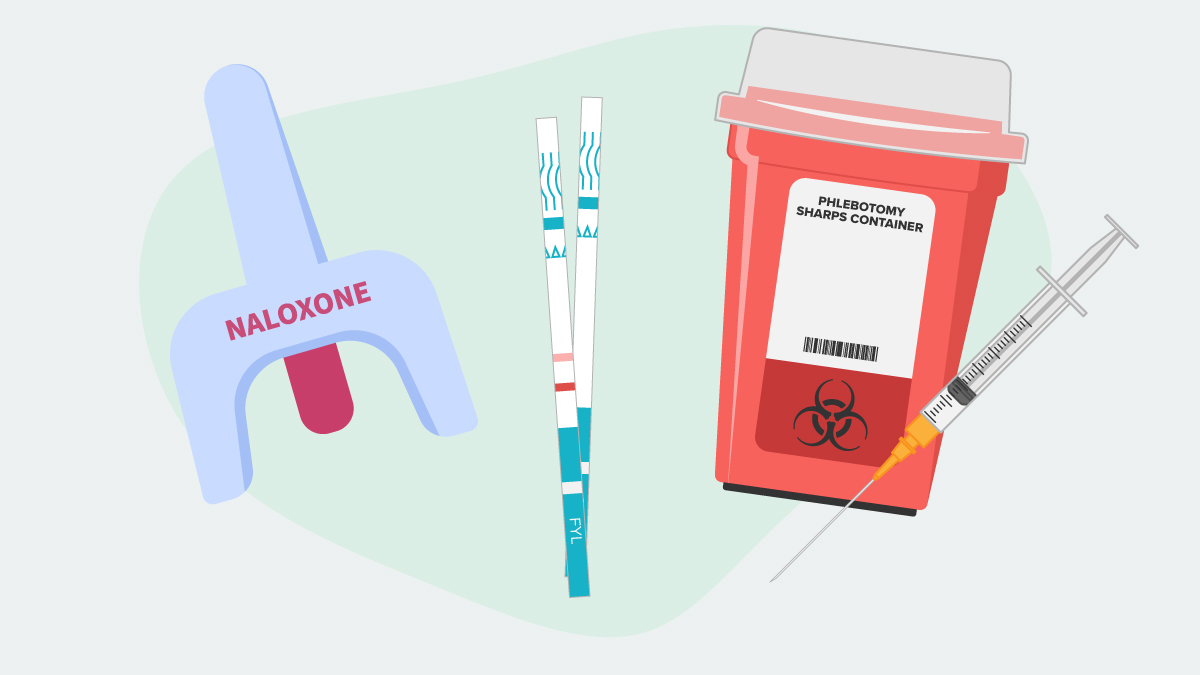
That is why harm reduction and addiction treatment work best together. Harm reduction reduces preventable harm and keeps people safer until they are ready for the next step, using tools like naloxone (Narcan), fentanyl test strips, and safer-use and safe-disposal supplies tools that can reduce overdose risk and the spread of disease. Treatment supports longer-term recovery by helping people reduce or stop use and rebuild stability through medical care, counseling, and support. Both approaches protect lives, just at different points on the same path.
At The Life Change Center, we provide addiction treatment services for those ready to step into recovery, and we also support harm reduction efforts that help open the door and make recovery more accessible to our community.
What harm reduction means
Harm reduction is a public health approach that focuses on reducing negative outcomes related to substance use, even if a person is not ready or able to stop right away. It meets people where they are and respects autonomy. Most importantly, it is designed to keep people safer and healthier in the meantime.
A common misunderstanding is that harm reduction is only about preventing overdose. Overdose prevention is a major part of it, but harm reduction also aims to reduce other serious outcomes such as the spread of infectious diseases, infections from unsafe injection practices, injuries and preventable death.
In short, harm reduction helps reduce immediate harm and keeps the door open for future treatment and recovery.
What treatment means
Addiction treatment focuses on helping people reduce or stop substance use through evidence-based medical care, counseling, behavioral health support, and ongoing recovery support. Treatment helps people manage cravings and withdrawal, strengthen coping skills, and rebuild stability over time.
At The Life Change Center, treatment is designed as a whole-person approach with multiple support programs including Medication Assisted Treatment, counseling, peer support, and family services. To explore treatment options and support offered, you can start here: Programs.
Why both work better together
When we only focus on one part of the solution, people fall through the gaps. Some need immediate safety resources. Others are ready for treatment today. Many people move back and forth between readiness and uncertainty over time.
A continuum of support matters. Harm reduction reduces preventable harm in the present, and treatment creates a pathway toward long-term recovery. Together, they reduce negative outcomes and create more opportunities for healing.
The goal is safety, dignity, and a path forward.
Harm reduction in action
Harm reduction can take many forms, but the common thread is reducing preventable harm for people who are still using. It is designed to protect health and keep people safer until they are ready for more support.
Safer-use supplies
Safer-use supplies are a harm reduction tool intended for people who are still using, so they can reduce immediate risk. Some communities provide access to supplies such as:
- Clean syringes and safer injection supplies
- Sharps containers for safe disposal
- Hygiene and first aid kits
- Pregnancy tests and safer sex kits
These resources help reduce infection risk, prevent needle-stick injuries, and support basic health and safety.
Naloxone (Narcan)
Naloxone, commonly known as Narcan, is a medication that can reverse an opioid overdose in an emergency. It is one of the most important tools for saving lives, and many harm reduction programs provide education on how to recognize an overdose and respond.
Fentanyl test strips
Fentanyl test strips are a low-cost harm reduction tool that can detect the presence of fentanyl in different types of drugs. Because fentanyl has such an increased overdose risk, test strips can support safer decision-making and help people understand the risks in their supply.
Overdose prevention education
Education is a key part of harm reduction. This includes understanding overdose signs, knowing when to call 911, learning how naloxone works, and understanding risk factors like mixing substances or using alone. The goal is not to shame people. It is to reduce preventable harm and keep the door open to recovery.
Treatment in action
Addiction treatment is not one-size-fits-all. People may need different support at different stages, and care is often most effective when it combines medical care, emotional support, and connection.
Medication Assisted Treatment (MAT)
MAT is an evidence-based treatment that uses medications such as methadone or buprenorphine to reduce withdrawal symptoms and cravings. This stability can help people stay engaged in care and focus on making long-term changes.
Behavioral health support
Therapy and counseling can help people build coping skills, address trauma, and develop healthier ways to respond to stress and triggers. For some, psychiatric care can also support treatment of co-occurring mental health concerns like depression or anxiety.
Peer recovery support
Peer support connects people with someone who has lived experience with substance use and recovery. This can reduce isolation, build trust, and provide encouragement and practical guidance through the ups and downs of recovery.
Family support
Addiction affects families, and family-centered services can strengthen stability at home. Support may include parenting education, group counseling, pregnancy and post-partum resources, and programs that help families heal together.
The Life Change Center offers a range of recovery supports including the services described above for individuals navigating substance use disorders in Northern Nevada. View our programs and services in more detail here: Programs at TLCC.
How the community can help
Everyone can play a role in reducing harm and supporting recovery. If you want to be involved, here are some ways you can help:
- Learn the signs of an opioid overdose and what to do in an emergency. Learn about naloxone and how it saves lives.
- Talk with your family and friends, especially if you are noticing changes or concerns. Choose language that reduces stigma and encourages people to seek help.
- Support the organizations doing this work by sharing resources, volunteering, or donating. Community support helps build a safer environment for everyone.
In closing
Harm reduction and treatment work together because people’s lives are complex, and recovery is not a straight line. Some people need safety resources today. Others are ready for treatment today. Many take steps over time.
When we offer both harm reduction and treatment, we lower barriers, reduce preventable harm, and make recovery more accessible. We keep people alive, support them with dignity, and create more pathways to healing.
If you or someone you love is struggling, you are not alone. There is hope. Support is available, and small steps today can lead to real change.