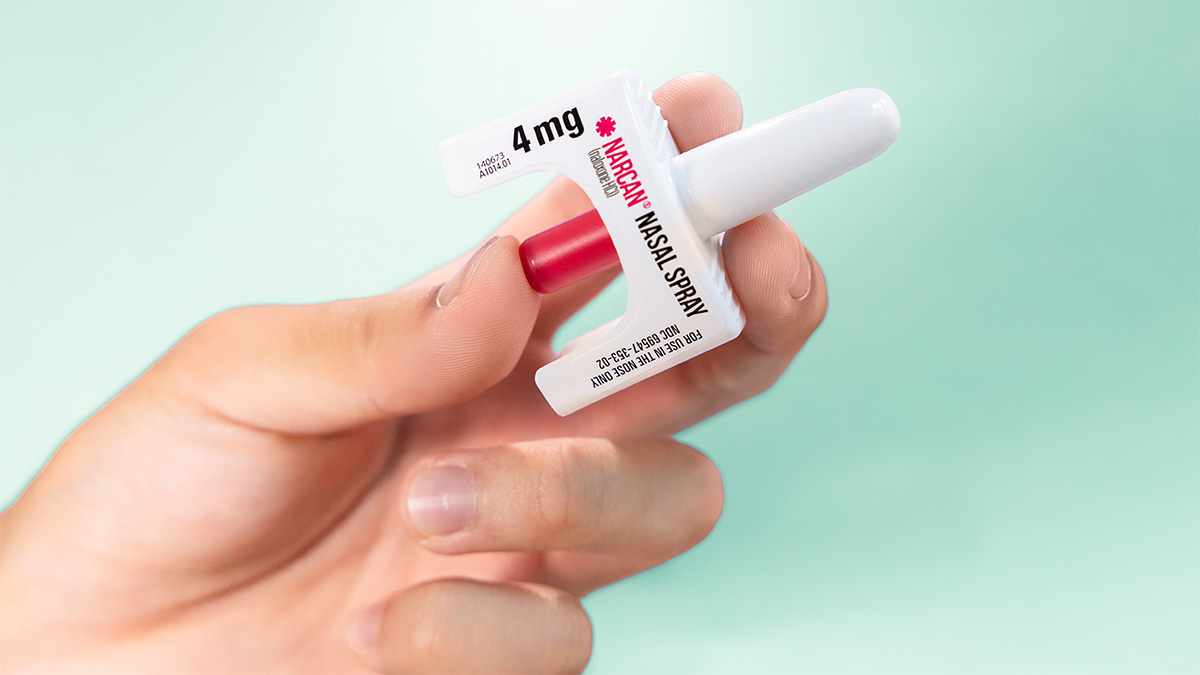
Most people who keep a fire extinguisher at home never use it. It’s there for the one moment you might need it. Narcan is similar. You may never use it, but if you’re ever near someone experiencing an opioid overdose, having Narcan on hand and knowing what to do can save a life
This guide is for everyday people, not medical professionals or first responders. It’s for community members who want to be ready.
What is Narcan?
Narcan is a brand name for naloxone, a medicine that can reverse an opioid overdose. It temporarily blocks opioids from attaching to receptors in the brain so breathing can start again.
In an overdose, breathing can become dangerously slow or even stop. Naloxone can restore breathing within minutes and buy time until emergency help arrives.
Who should carry Narcan?
A lot of people assume Narcan is only for people who use drugs. In reality, Narcan is for the “lifeguards” in a community: the people who lean in when something is wrong.
That can include:
- Parents and family members
- Friends and roommates
- Hospitality workers, security staff, retail staff, and rideshare drivers
- Coaches, teachers, and community leaders
- Anyone who wants to be ready, just in case
You don’t have to be an expert to help. You just have to be willing to act.
Signs of an opioid overdose
Common signs of an opioid overdose include:
- Not waking up or not responding
- Slow, shallow, or no breathing
- Blue or gray lips or skin
- Pinpoint pupils
A simple rule is this: if you can’t wake them up and they aren’t breathing normally, treat it like an emergency and act right away. If you are unsure, it’s still better to respond.
What to do if you see an opioid overdose
- Call 911 right away.
- Give one dose of Narcan (naloxone).
- Wait 2 to 3 minutes to see if breathing improves.
- If breathing does not improve, give a second dose. Stronger opioids like fentanyl can require more than one dose.
- Stay with the person until emergency help arrives. Naloxone is temporary, and emergency care still matters.
What people worry about vs. the truth
“What if I do it wrong?”
This is one of the biggest reasons people hesitate. The good news is Narcan is designed to be simple, and public health guidance is clear: use it if you think someone might be overdosing.
Remember, you are responding to a life-threatening situation. Acting is better than waiting.
“What if it’s not opioids?”
If you’re not sure, it’s still better to act. Narcan won’t harm someone if opioids are not involved, and calling 911 is always the right move when someone isn’t responding or breathing normally.
“If someone wakes up, they are fine.”
They still need medical help. Naloxone can wear off, and the overdose can return. That’s why calling 911 and staying with the person is so important.
“Will I get in trouble for calling 911?”
Nevada has a Good Samaritan overdose law that encourages people to call for help during an overdose emergency. If you want to better understand what the law covers, Nevada Opioid Center of Excellence has a helpful overview.
Why overdose prevention matters in Northern Nevada
Fentanyl has increased the risk of overdose because it is extremely potent and can be present even when someone does not expect it. The more prepared we are in Northern Nevada, the more likely an emergency ends with a second chance.
If you want more local context on fentanyl and why the risk has changed, The Life Change Center (TLCC) breaks it down here: The Fentanyl Crisis.
How The Life Change Center can help
If you are looking for treatment, recovery support, or resources for someone you love, TLCC offers a range of programs and services for substance use disorders in Northern Nevada. You can explore them here: Programs.
And if you’re not sure where to start, TLCC’s FAQ page answers common questions about treatment, cost, and what to expect.
In closing, be the lifeguard
Carrying Narcan isn’t about assuming the worst. It’s about being ready to help if the moment comes. Most people who carry it will never use it, and that’s okay. But if you’re the one person who has it when it’s needed, you can change the outcome.
If this guide helped you, share it with one person and tell them where you keep your Narcan.