There’s a belief many people have that addiction is a choice. That if someone just wanted it badly enough, they would stop. But opioid misuse is not just about willpower.
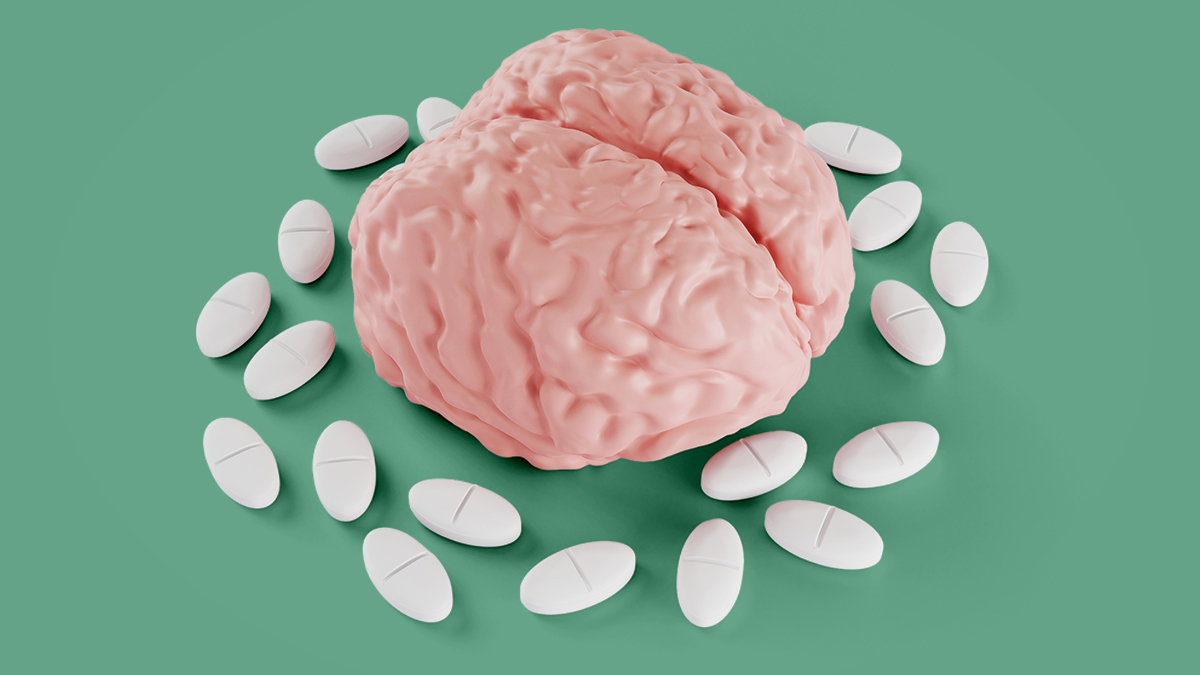
Opioids like fentanyl, heroin, and some prescription pain medications can change the brain systems tied to reward, stress, motivation, and decision-making. That is part of why stopping can feel so difficult, even for people who may desperately want something different.
Understanding what is happening in the brain can reduce shame, open the door to compassion, and help people take that next step forward.
This article will explain the basics in plain language and without judgement.
First, what are opioids?
Opioids are substances that can reduce pain and produce feelings of relief or calm. They include prescription pain medications from the doctor and illicit opioids like heroin.
Fentanyl is a powerful synthetic opioid that is up to 50 times stronger than heroin and 100 times stronger than morphine. It has increased risk in many communities.
When we talk about misuse, we mean use that increases harm or risk. Many people do not start because they want chaos. They start because something hurts, and opioids feel like relief.
The brain’s reward system: why opioids can feel like relief
Your brain is built to learn what helps you survive. When something brings relief or comfort, your brain pays attention and tags that experience as important.
Opioids can bring relief from physical pain, emotional pain, or both. They can create a sense of calm or numbness. For some people, that quiet feels like the first break they’ve had in a long time.
If something makes you feel better fast, the brain remembers. It starts to crave that relief again, especially during times of stress, pain, loneliness, conflict, or fear. For many people, opioid use is not about chasing a high. It becomes about escaping discomfort, even if briefly.
Tolerance and dependence: why it often escalates
One reason opioids can take a stronger hold over time is that the brain adapts.
Tolerance means the brain becomes less responsive to the same amount. What once felt like relief may start to feel weaker, which can lead to needing more to get the same effect.
Dependence means the body starts to expect opioids in order to feel normal. This is not a moral issue, but rather a physiological adaptation.
Here is where people often get stuck. They may not be using to feel good anymore. It may be to avoid feeling sick, anxious, restless, or overwhelmed.
Withdrawal: why stopping can feel unbearable
When the body has become dependent, stopping can trigger withdrawal symptoms that feel intense and frightening. Opioid withdrawal can include body aches, nausea, sweating, restlessness, anxiety, stomach upset, and insomnia.
Even when someone wants to stop, the fear of withdrawal can feel like a wall they cannot climb. This is one of the biggest reasons support matters. It is hard to make clear decisions when your body feels like it is in an emergency.
Withdrawal is not a weakness, it is physiology.
The stress system and triggers: why cravings can appear suddenly
Many people are surprised by how quickly cravings can show up, even after making a decision to stop. A craving is not proof that someone does not care. Cravings can be the brain trying to protect you from discomfort by returning to what it learned brings relief.
Triggers can be external or internal. External triggers might include people, places, or routines connected to past use. Internal triggers can include emotions like shame, grief, anxiety, boredom, or loneliness. Physical pain can also be a trigger.
When stress rises, the brain shifts into survival mode. Decision-making narrows, and the brain searches for the fastest route to relief.
This is why recovery is not just about saying no. It is about learning new ways to regulate stress, tolerate discomfort, and stay connected to support.
Why willpower alone usually fails
Willpower is real, and it is not meaningless. But willpower is also limited.
It is easier to make healthy decisions when you are sleeping, supported, and not in withdrawal. It is harder when you are exhausted, stressed, isolated, or afraid.
In early recovery, the brain is healing and that process takes time. Many people need structure, medical support, and consistent connection to make the change sustainable.
Instead of asking, “Why can’t they just stop?” it can be helpful to ask, “What support would make stopping more possible?”
How healing begins: what recovery supports actually do
Recovery supports are not just about motivation. They help the brain relearn safety without opioids.
Medical support
Medication Assisted Treatment (MAT) can help stabilize withdrawal symptoms and reduce cravings. It helps bring the brain and body back toward balance so a person can focus on healing and rebuilding with the compulsion to use.
Therapy and behavioral health support
Therapy can help people process unresolved trauma, build coping skills, and respond differently to triggers. Behavioral support helps someone build routines and tools that protect recovery.
Connection and community
Isolation fuels hopefulness. Connection builds strength.
Recovery is often strengthened through relationships and bonds with people who understand, people you trust, and people who can support you through each stage of the journey.
Support does not have to be perfect. It has to be consistent.
Small steps that support brain healing
If you are in early recovery or are supporting someone who is, the small steps matter. These are building blocks. Here are some examples:
- A steady sleep routine, even if it starts small
- Hydration and regular meals to support mood and energy
- Movement, even a short walk
- Honest check-ins with someone you trust
- Planning for triggers before they hit
- Reducing isolation in small ways
Progress is often quieter than people expect. But it is real.
Understanding changes everything
When we understand what opioids can do to the brain, we stop treating addiction like a character flaw. Instead, we treat it like what it is: a health issue that deserves real support.
Recovery is possible, people can heal, and families can rebuild.
If you are worried about yourself or someone you love, start small. Learn one thing, have one honest conversation, ask for support.
You are not alone. There is hope.